Nintendo fans are a bit of a diverse lot, much like the company's products.
In terms of hardware, some people love the Nintendo of the Classical era, which made consoles that were moderately powerful and attracted a large amount of third party support. Some prefer the more powerful N64 and GameCube, which boasted some of the more ambitious games of their time. Some like the Wii and Wii U, which sacrificed some power in return for unique control schemes. Some people like their handhelds, which have always had moderate levels of outside support and dominate dedicated handheld gaming.
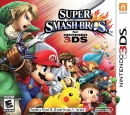
Software is even more mixed. First, you have the Nintendo fans that love light hearted platforming games, like Super Mario, Donkey Kong, and Kirby. Some people like the slower and more thoughtful action-adventure and RPG games like Zelda, Pokemon, and Fire Emblem. Some people like how simple games like Wii Sports and Tetris reach across demographics. Some people like multiplayer experiences like Super Smash Bros and Mario Kart.
Between their various hardware and software accomplishments, Nintendo probably has a dozen fanbases that appreciate them for mostly different reasons. Problem is, Nintendo can't be a dozen companies at a time. They can support one console and one handheld, and develop or publish maybe 20 games a year for both systems combined. This means that some things people want will not be able to exist.
When Nintendo fans argue over the course the company should take, they often want to see Nintendo recreate the hardware and/or software that helped define their standards in games. Even within a smaller group, you can see this happen. Loads of people want a new Zelda, but some people want the exploration of the earlier 2D games, some want the narrative focus of the recent console games, and some want the game to emulate specific parts of prior games that the felt were too good to never come back.


























 there are a lot of trolls these days especially on nintendo




















 Currently Online