It's a several step process that needs to begin now. On most of these type threads I mention buying a 3rd party, but I'll leave that out for now. So here's what they do:
1. Develop a high-end gaming tablet for fall 2015. It is similar in power to the Wii U but looks like an iPad Mini (but even cooler) with subtle dual analogue sliders and buttons. You price it around $299 with a subscription service that includes online matchmaking and free downloads of games each month. It starts a new non-Wii branding for Nintendo. It's a full android tablet so all non-gaming needs are there, but it also fully supports easy ports of Wii U games and can act as a Gamepad. Games are now co-developed for the Tablet and Wii U, so Wii U support continues through 2016 or 17.
2. As 3DS support dies off in favor of the new Tablet, resources are dedicated to the new 9th gen system.
3. The system is designed as a high-end option. Wii U remains for cheap entertainment. The new system, lets call it NES, is designed with the same style and branding as the Tablet and targeted at adults (so kids will want it). It will be powerful (2-4X+ PS4) with a price point set at $399 (+online subscription, shared with Tablet) and a launch set for fall 2016. It can act as a server for the tablet for cool multiplayer. Its included controller is fairly basic, but has motion sensors and a small screen for menus and typing input.
4. Resources are devoted now to creating an impressive online infrastructure that is shared with the Tablet and a slick OS.
5. 3rd parties are consulted heavily and encouraged to get on board. The system is designed for easy porting of games, and PS4 games run even better with the excessive power.
6. Several teams are re-organized, in particular the NSMB and Wii- teams. This staff is focused on making fun quick-play download games for the Tablet and NES in a shared eShop. Re-makes of classic titles and brands are featured heavily as classic arcade games are perfect for quick play sessions.
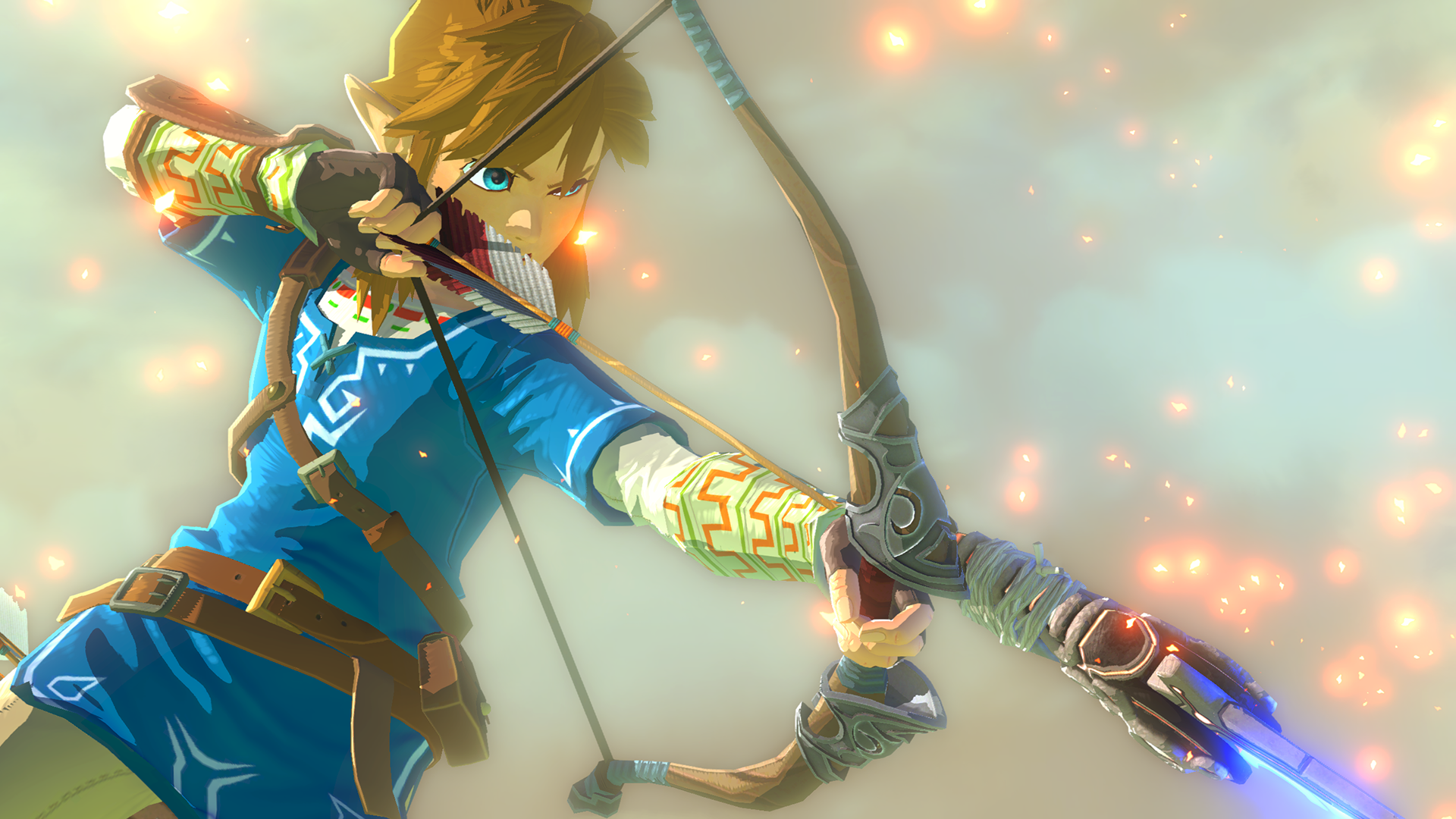
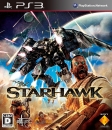
7. Key, system-selling AAA titles are started now. Retro is expanded to two full teams Team 1 starts on a sci-fi shooter in the Metroid universe but with all new style and branding for NES launch. Team 2 is given Zelda to reboot and make in a way that caters to its mostly Western audience, to release in 2017. Mistwalker is contracted to make Last Story 2 which will have an all-new story and setting like the Final Fantasy games used to. It will be promoted as Final Fantasy for a new generation, and Nobuo Uematsu's music will be used heavily in its promotion to tug at the nostalgia of old Final Fantasy fans. Shin'en is contracted to make F-Zero. Platinum is contracted to make a Starfox reboot which will be a true space shooter. These outsourced games will be launch titles and will all have incredible visuals, not possible anywhere else. EAD Tokyo starts Super Mario Universe now, with the instruction that it has to be more stunning than Mario64 was upon release. Online multiplayer is a must for all titles, while local dual screen multiplayer is possible through the Tablet and the NES's excessive power.
9. Additional download titles are released frequently, justifying online subscriptions. They are fun and innovative. Additional studios are opened/purchased to support this, in particular one in the UK hiring former Rare developers who are instructed to make things fun and innovative.
10. Titles such as the the next Xeno game and other key AAA titles follow in 2017 while MarioKart is planned for 2018 when a price drop is expected. A Retro-made Zelda releases every 2 years as part of a new trilogy of titles using the same style and engine, and Last Story and Xeno-series get sequels every 3, on alternating years.
11. Third parties are key here, and key titles (such as GTA or COD) are paid for ports if needed. Ports should be easy, as developers can essentially bring over a version spec'd for a high-end PC of today.
12. Marketing is also key, with Nintendo re-branded as a more high-end product. This is kick-started with the Tablet which is promoted as MORE high-end than iPad... it does everything a standard tablet does AND plays true high-end games. The products come in several designs, with one being the standard high-end look for the new products with prominent LED accent lighting, but also special editions in retro NES styling to appeal to lapsed Nintendo fans and core gamers.
In summary, essentially the plan is to use the next 3 years to convince consumers that Nintendo can be a high-end product. Kids and casuals are grabbing up Tablets right now and they must be brought back first with a product that seems superior to Apple. The console is then launched to target core gamers and those that want the latest, most powerful product. Wii U/handheld tablet resources are merged now for efficiency and to allow for teams to work on the new home console. 3rd parties are catered to to remove the disadvantage Nintendo consoles have faced lately, and to allow the 1st party software advantage to shine. System selling launch titles are started now to ensure an overload of game options for the early adopters so positive word of mouth spreads. Teams making games people are sick of (Wii-, NSMB) start making quick, innovative play games to fill the void between AAA titles and provide entertainment to the significant others of the core gamers who will be picking up the titles for RPGs, shooters, racers and adventure titles.