ocnkng said:
Yes it is.
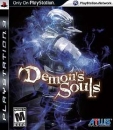
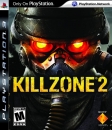
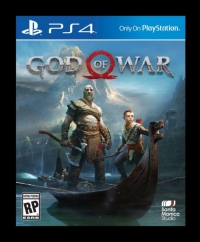
A] Buying exclusivity : Throwing money for the solution. No involvement in the development of the product.
Vs
B] Buying a studio and nurturing it and intimately involved in the development of the projects.
I believe these two approaches are considerably different.
|
That's a half-assed argument retrofitted to justify the current emo-rage some people appear to be suffering as a consecuence of lost brands/games/ips. Buying a studio is a highly risky maneuver since a studio is nothing without the talent and the talent is not guaranteed to stay since, ya know, slavery got abolished a few years ago.
EA is the shining example of it, in the 90's they bought a shitload of studios - a huge investment. Now those studios aren't worth half what EA paid since the talent flew. You might use the standard "oh, but EA didn't treat them right!" counterargument, but even treating people right ain't a guarantee. Creative minds may easily flee again to pursue other avenues. Some of Sony's studios have suffered a similar fate, with Psygnosis being nothing but the charred remains of what it once was. Last year Sony fired a bunch of people from their European studios... a maneuver that while it surely helped Sony's shaken finantials weakened even more what once were some of the most prominent studios in the UK.
Of course owning studios has it's benefits too, but this is a business decision. Using ethic/moral arguments to justify one option or the other not only is laughable, but also it's a flag someone has an emotional stake on it. Unlike the execs who take the decisions...
"buying exclusivity" is an emotionally charged expression with considerable negative connotations that's being used by fanboys instead of the more proper and industry accepted, 2nd party development. Which by the way is nothing new: Nintendo, Sega, Sony, Microsoft... everybody does it.