









I've thought a lot about this, I think it'll be basically this:
2 hardware variants. I'm just using these images as a rough example, obviously just add Nintendo styling to it.
Portable (launches mid-late 2016):

Home Variant (Micro Console): Fall 2016-2017
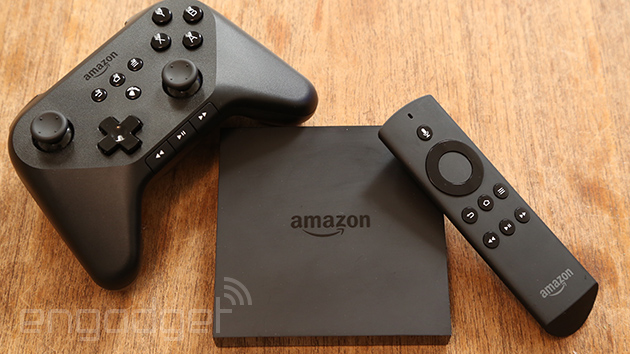
You buy which ever one you want. If you like to play on the go, the tablet is for you. If you like to play at home, buy the home version.
They both play the same games (3DS sized carts or digital download your choice). The home version has the same chipset architecture, except it has more CPU/GPU cores and more RAM to be able to run the games at 1080P so they look nice and purdy on your 55 inch home display. No huuuuge graphics disparity otherwise, maybe a few extra effects.
It's like the iPhone-iPad model ... if you want a phone, get the iPhone, but many iPhone users also have an iPad to use around the house. They can share apps on both devices and both devices run the same OS. Similar set up here.
Don't expect a super-duper PS4 type console, either, except something small and cheap. Nintendo's recent job posting for a graphics engineer with specific emphasis on mobile/low power components basically is a huge tip off that they're using mobile (tablet/smartphone) style parts for their next hardware. Something along the lines of Wii U level graphics only at full 1080p/60fps and maybe a few more modern lighting/shader effects. Handheld games will run in a lower 540-720p resoultion.
I expect the home variant to be very, very cheap as a result, perhaps as low as $179.99 to start with. Nintendo will aim heavily at kids next-gen to get more amiibo selling, the home version will actually be cheaper than the portable one (no screen, no battery to worry about, chip/RAM is cheap by comparision).


