By using this site, you agree to our Privacy Policy and our Terms of Use. Close

Forums - Gaming - Most influential system (and why)

IcaroRibeiro said:

Interesting perspective regarding the Xbox and Xbox 360

Indeed, those are the consoles that had a huge, lasting impact on gaming

We measure impact by looking at how current games are developed, and they certainly borrowed many Xbox ideas especially bringing online play into the console space. Of course, online gaming was already big on PC, but the Xbox’s inception was what really broke the wall between the console and PC gaming worlds.

We can clearly see the shift from the best-selling games of the PS2 era to what they became after the Xbox 360 generation. GTA was already a huge IP on the PS2, but it was only after the Xbox era that it fully turned into a live-service model. Genres traditionally big on PC also surged on consoles: shooters (Doom, Half-Life, Call of Duty, and of course Halo) and computer RPGs (The Elder Scrolls, Star Wars: Knights of the Old Republic, Fallout)


True, many people may not like how Microsoft changed the industry, but those are real game changers, without a doubt the more important consoles in the last 30 years

Imho, Xbox/XBOX 360 (and Xbox Live) is the bases of current consoles. They created the 3 main pillars of modern consoles.

1 - UI carrying apps, games, media...

2 - Online connectivity for downloading games, multiplayer, DLC, updates...

3 - Digital library of games.


Around the Network
curl-6 said:

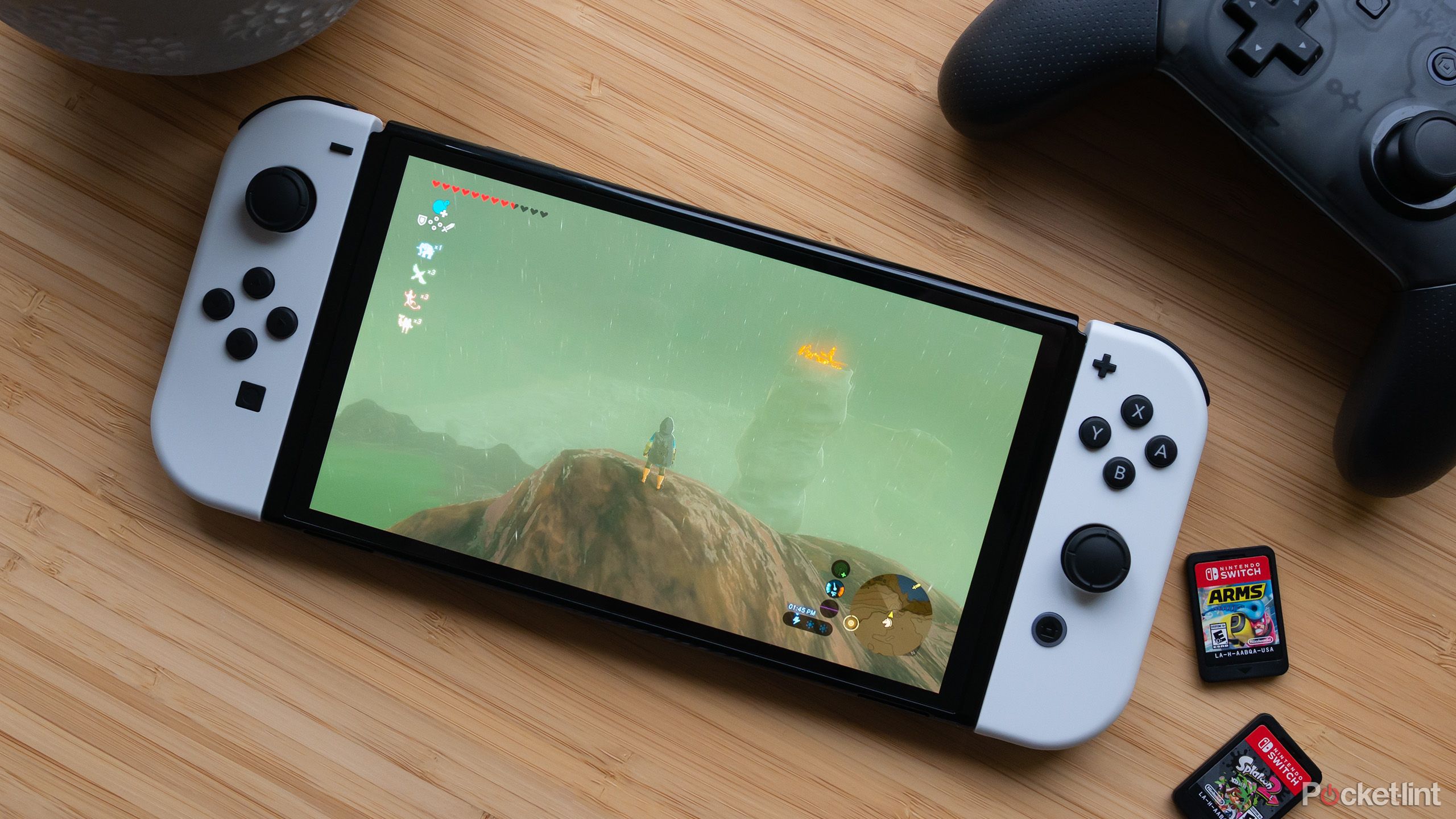
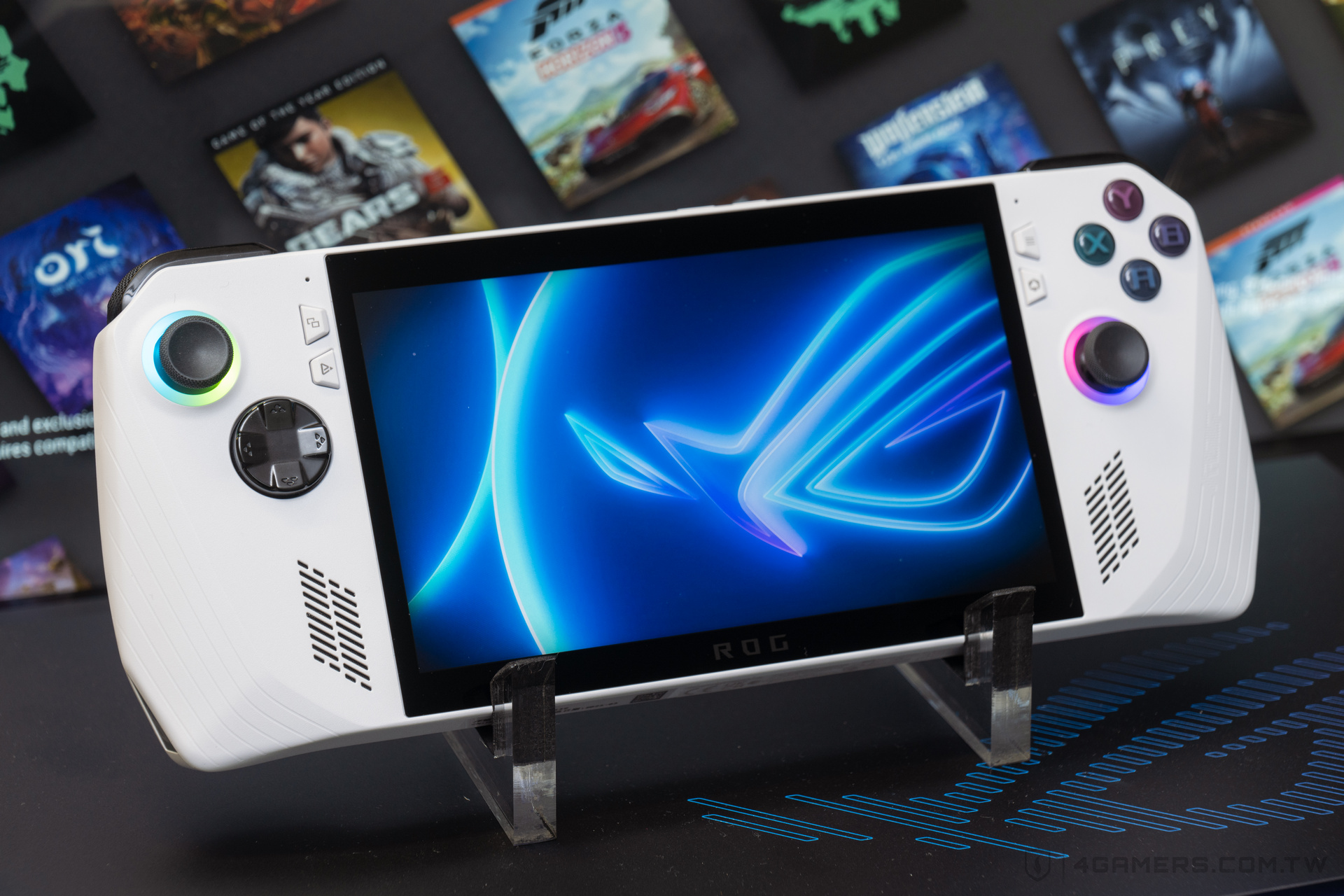
In the handheld space, I'm also gonna throw in a shoutout to the PSP, as it's basic form factor is basically the layout of every modern handheld/hybrid machine:

Atari Lynx & Game Gear.  Or Game & Watch basically did the horizontal layout in the 80s and early 90s. GBA came directly before PSP as did Zodiac Tapwave & N-Gage. PSP aside from the nub has the same layout as a GBA. 

Last edited by Leynos - 1 day ago

Bite my shiny metal cockpit!

Spontaneously I will say NES > PS1 > PS2 > Switch.

Nintendo did a lot of different hardware experiments this century, but the hybrid format seems to be the one that will stick, and basically everyone else is also jumping on the ”home console games on a handheld” wagon.

PS2 fleshed out the types of games that were on the PS1 and set the stage for modern games and controls. And just the sheer variety and quality of games.

Atari was before my time so I can’t speak on it.


Bofferbrauer2 said:

The NES.

Not just for reviving the console market (and bringing it to Europe btw), but also due to it's controller. Just compare the controllers of Atari 2600 and others of their generation and the NES: D-pad, Start & Select buttons (or something along those lines), AB buttons (which now have become ABXY with a second row of buttons), those have all become standard nowadays, as have holding the controller essentially sideways and not like a remote.

Hm...I'm not so sure about NES bringing console gaming to Europe - Atari 2600, Magnavox Odyssey 2 and Colecovision were all selling (relatively speaking) fairly well in Europe before NES, so it's not as if Europe didn't participated in console gaming, it's just that home computers were much more popular in Europe throughout 80s. And even with NES, Master System was initially more popular in Europe (for NES only to win in the end by fairly slight margin), both achieving only ~15.5 millions combined vs ~20 millions that 8-bit computers managed in Europe.

As for popularizing D-pad - depending on how much you liked arcade style games, D-pad was a curse, not a blessing, since such games played worse with D-pad than with proper joysticks. In the end, it is indeed most reasonable choice to include in the gamepad, since it has best ratio of usability vs space required, but not really the best choice per se.


The NES also basically introduced the whole idea of "franchise blockbuster" sequels.

Like people today likely just take this for granted and won't understand, but sure there were hit games before the NES, but it was like you'd just remix a game for sequels (Ms. Pac-Man, Donkey Kong Junior, etc.).

The modern concept of the "blockbuster sequel" started really probably most firmly with Super Mario Bros. 3. It was a massive evolution on the previous game, had tons of marketing hype, set a huge new bar in quality, had a tie in with a Hollywood movie and McDonalds at all that jazz. It created a "world" for Mario, it wasn't just a static thing confined too Mario and a few goombas. 

Stuff like that didn't really happen before that, that set basically the entire modern industry in motion which tracks to this very day with people waiting for GTAVI and stuff like that with baited breath.

The NES introduced actual long last franchise IPs like Mario, Zelda, Metroid, Megaman, Final Fantasy, Dragon Quest, Castlevania, popularized Metal Gear, etc. etc. People just think that whole setup was always there ... like no it wasn't. There is a huge, stark difference between pre-NES and post-NES eras.

Hit games before the NES where kind of just simple concepts that they'd cheaply rework to cash in for sequels, more like having a hit fad song that then fizzles out eventually and the singer/band also fizzles out. After the NES, hit blockbuster games leading into franchises became more like hit movies. 

As a gaming fan I remember like yeah you'd like a game but it was just that if it was a hit game ... like I like Pole Position on the Atari 2600. It's not like you'd sit around with baited breath waiting for Pole Position 2 or Pitfall 2 or something. That just wasn't much of a thing back then. If a game was a hit, the developer would generally scramble to make a cheapo remixed sequel to cash in on a limited window of popularity (ie: Ms. Pac-Man) but Nintendo and NES and probably specifically the Super Mario series changed the game industry forever. Super Mario 3 especially. That really changed the idea of a game being like a summer movie blockbuster.

The whole "OMG! Mario 3 (or insert whatever is the game of its era, Zelda: OoT, Sonic 2sDay, Final Fantasy VII, MGS2, GTAIV, Halo 3, whatever) is releasing this weekend! I'm going to clear my schedule and make sure I'm playing that game!!" thing really took off there. Before the NES, games were thought of like static screens to collect a high score on like a game of darts or something. After the NES, they became full blown franchises and worlds to immerse yourself in. 

Last edited by Soundwave - 1 day ago

Around the Network

I don't know when it started, or who did it first, but to me the NES was a big jump compared to the Atari, by having levels and defined end. Growing up I had an Atari 2600 and never really got into it, the whole beat the high score thing never resonated with me. NES triggered my love for gaming by offering defined levels and being able to beat the game.

Again, no idea where or who started this, but that was a big change for me.


“Consoles are great… if you like paying extra for features PCs had in 2005.”