

| JNK said: Lets look as an example at Ubisoft. They gave the Wii U at launch an exclusive aa-title (ZombiU) + Raymen was announanced as an exclusive title. |
And with that, your whole argument falls apart. The game was originally going to be a Wii U launch title. They delayed it to mid-February. And then, they delayed it again to September to make it a simultaneous launch with PS3/360 versions... despite the developers having stated that the game was already finished. Even the developers were upset over it, and were actively supporting the fans who were up in arms about the situation.
You're now suggesting that Wii U sales in two months were justification enough to blame Nintendo instead of Ubisoft for that? Really?
Meanwhile, ZombiU was a new franchise (despite a tenuous link to the original Zombi). Its metacritic rating was a lacklustre 77, with the user score backing that figure up with a 7.6. The only thing it had going for it, in the end, was the interesting use of the gamepad. Have you wondered why, a month after releasing Zombi on PS4 and XBO (and PC), they suddenly announced a retail release? Do you think it might be because they aren't getting the sales digitally? They certainly haven't been crowing about strong sales of the title.
Nintendo doesn't try to force exclusivity (unless they're actually funding game development, like the Sonic deal, or like Bayonetta 2). If a third party wants to make their titles exclusive, Nintendo's OK with that. But nobody has a problem with lack of third party exclusives. They have a problem with multiplatform titles skipping the system. And you can't blame that on Nintendo, when they did it with the Wii as well (so it's not lack of install base) and with titles that there's no chance Sony or MS paid for.
The underlying problem is that third parties have become massively risk-averse. And that's a bad thing. It means they don't try to grow franchises that are struggling (see just about every franchise that has vanished in the last 10 years), they reskin existing game mechanics when making new franchises instead of trying new things (look at how many titles are "the same" nowadays, the lack of a heap of genres that tended to be smaller but well-loved by their fans, etc), and they fill their games with as many ways to make money as they can.
Indeed, Jim Sterling has revealed something recently that makes a whole lot of sense - third parties were anticipating the death of the console at the end of the last generation, and were shifting their focus to PC and smartphones. Which would explain why both the PS4 and XBO are so PC-like, internally - they were getting third parties to support their systems through the logic of "it's not much different from PC, anyway, so you might as well". Nintendo, on the other hand, works to differentiate itself, and thus it's harder to conceptually develop for their system.
Third parties aren't taking risks the way they used to. Risks that resulted in greatly-loved franchises. Risks that saw expensive flops along the way, yes, but that also saw smash hits that did massively better than anticipated.
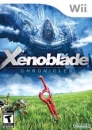
There aren't many major developers left who take such risks. And one of those is Nintendo - see Splatoon (as an example of one that did massively well) and Code Name Steam (which did quite poorly). See Bayonetta 2, which no other third party was willing to touch with a ten foot pole, and Wonderful 101. See their decision to take a game that didn't reach 1 million sold, and turn its franchise into one of their big-sellers for the holidays this year (Xenoblade Chronicles X), and their decision to take on another new IP that had fallen into development hell and take a risk on it, even if it didn't work out (Devil's Third). Nintendo takes risks all the time. Sometimes they work (Wii), sometimes they don't (Wii U).
For the other extreme, see Konami, who basically cut out all development of any franchise they didn't think would sell multiple millions of copies - which basically meant they were left with Metal Gear and PES... and I mean that literally, their only releases in 2015 that even register are Metal Gear Solid V and PES 2016 (they did have "Pro Baseball Spirits 2015", which sounds, from what I can tell, like it was just a roster update of the previous version). That was their entire lineup for 2015. To put that into perspective, in 2012, they released seven different games for the Xbox 360. Even the Dreamcast, in the year it was dropped, got 10 different games.
But it's not just Konami. EA's lineup for 2015 was Fifa, Madden, Battlefield, NBA Live, Need for Speed, NHL, PGA (now "Rory McIlroy", not "Tiger Woods"), a couple of Sims 4 expansions, and Star Wars Battlefront (plus some smartphone games). Think about that - of the 8 full games released, five are sports titles that get annual releases (and are mostly roster updates with a few tweaks, nowadays), leaving Battlefield, Need for Speed, and Star Wars Battlefront. Two of those three are ongoing big franchises owned by EA, and the third is a huge franchise that they got the rights to develop into.
But where are the small franchises? Where are the experimental games that might even produce entirely new genres? Where's the Boom Blox, or the de Blob, or the Mass Effect, or the Assassin's Creed? (to be clear, I'm not asking for these franchises, I'm asking for the equivalents of the first games in their franchises, being new ideas that spawn loved franchises). Where's the Okami, the Viewtiful Joe, the Zack & Wiki? Heck, where's the Final Fantasy I, the John Madden Football, the Simcity, or the Street Fighter 2?
Nearly all of the big franchises that have been created in the last few years, that haven't come from Nintendo, have either been sold as "the new franchise from the creators of <REALLY BIG FRANCHISE>" (see Titanfall and Destiny) or have been indie (see Minecraft).
One possible exception in all of this is Warner Bros. Not only did they take The Witcher, a relatively niche franchise, and make a huge hit from it, but they also released Dying Light - nobody would even be able to recall the developer by name - Techland - because their big hit wasn't big enough to make them a household name like Bungie or Infinity Ward.
Fundamentally, the issue is that third parties aren't willing to take the risks. Which is why they will complain about Nintendo consoles not selling enough, except when they do sell well enough, when they say it's impossible to compete against Nintendo. It's why EA's "big partnership" with Nintendo was only ever going to include their biggest franchises at the time - Madden, Fifa, Need for Speed, and Mass Effect - and why most of those were just dialled in (NfS was the exception, and I put that down to the developers themselves actually caring). It's why Ubisoft got spooked by the first-month sales of Wii U and delayed a title that would have sold more on Wii U alone had it released in February (and then become multiplatform later in the year) than it sold across all platforms later in the year. It's why "Killer Freaks from Outer Space" became a zombie game - zombies were a big part of gaming for a few years there, but the interest was dying down in 2012 and Ubisoft didn't notice. It's why titles released for the Wii U that had obvious ways to use the gamepad were simple ports without any special gamepad functionality except off-TV play. It's why it took Nintendo's boldness to get Bayonetta 2 going.
In short, it's not Nintendo's fault, it's because third parties are mostly too risk-averse to build markets, release experimental games, or more generally try anything new. And that includes support for different hardware, like a gamepad. Indies are much more willing to take risks, which is why so many are supporting the Wii U, and why quite a few are very pleased with the results of doing so. It's also why the PS4 and XBO are so PC-like internally.