











chakkra said:
Maybe your intention was not to brag, and if so, I apologize, but everytime this topic comes up that is the general vibe I get from it (and the vibe I got from this list as well), but again, my apologies if that was not your intention. |
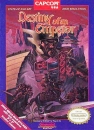
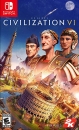
It really wasn't. I'll also share this 2 year old post I read on Reddit today which makes a convincing argument for Nintendo's policy:
Pangotron 166 points 2 years ago
There are a few main factors that lead to Nintendo games retaining high value over time.
1. They are not published on non-Nintendo platforms. This means all revenue for the publisher, (which is Nintendo), can only be generated from sales of the software on one platform, and will not be supplemented by high volumes of sales at a discount on other platforms (like Steam sales) or likely to be ported even to later Nintendo consoles for years.
2. Individual Nintendo software sales are more important to Nintendo than Microsoft or Sony. Microsoft, Sony, and Steam primarily sell software that was created by other companies, and thus rely on volume of games sold to make income, as they get a cut from each title sold from platform licensing fees. Thus, it is in their best interest to discount games as early as possible to increase sales numbers, even if the developers or publishers would make more money at a higher price point. Nintendo, however, is both the developer AND the publisher, and thus prices their software as a developer first and a publisher second. Nintendo as a developer is not monolithic, (having some 11 to 14 different software development teams), and will likely not discount a particular Nintendo published title (in the form of Player's Choice, Nintendo Selects, etc.) until sales of that title have generated sufficient income for that particular development team.
3. Retained value is a stated goal of their late President and CEO, Satoru Iwata. Mr. Iwata contemplated the trends of gaming as a whole over a decade ago, and was concerned by mobile gaming causing other developers to under-value their efforts to compete with the rise of mobile gaming, while simultaneously ramping up the scale of their projects to hundreds of people. He did not want Nintendo to adopt the same unhealthy practices of other developers that led to the burnout of their workers or unfinished projects that still launched to the public. He personally took a pay cut when the board of directors considered firing programmers to cut costs, and cautioned the rest of the industry of the dangers of not presenting a "perception of value" to consumers that their software was worth the costs needed to maintain a sustainable and happy life for their workforce.
Nintendo is a very conservative company. They do not like selling even their hardware at a loss, and thus are more likely to under produce initial software printing rather than have thousands of copies sit in warehouses or warming the racks of retailers. It would catastrophic to their branding for Mario to be placed in the bargain bin. And incidentally, they are very good at making accessible, well-made software (few if any bugs and glitches, very few games have or need day-one patches (or ever)), that naturally keep their value as complete products.
It has nothing to do with bragging, it's just that video games are Nintendo's livelihood as a company. I wouldn't say it's greed on Nintendo's part, while Sony and Microsoft are altruistically generous. It's a business model that has allowed them to remain the only hardware manufacturer who is primarily in the business of making video games.


