

The Nintendo GameCube launched on September 14th, 2001 in Japan, receiving widespread positivity regarding its controller/hardware design, launch lineup and inexpensive nature. Like most Nintendo hardware, it was largely ignored by third parties and, as a result, was held up by Nintendo's own 1st and 2nd parties. Despite being backed into a corner with little support and low sales figures, Nintendo took many risks with their IPs on the GameCube, despite it being one of their most conventional consoles. As they say, it's important to never judge a book by its cover.
Super Mario Sunshine
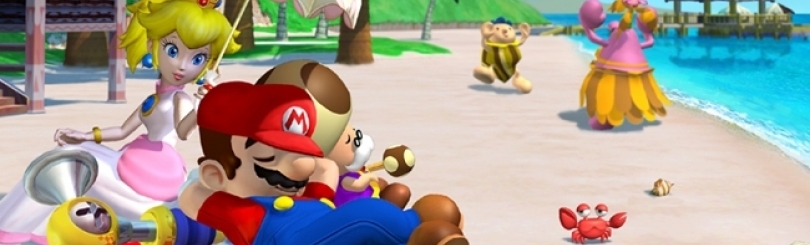
After Super Mario 64 set the bar for 3D Mario games, Nintendo decided to take everything that game did, put a waterpack on it and throw it into a tropical paradise. Super Mario Sunshine is easily the black sheep of the 3D Mario series, as Mario's new device F.L.U.D.D provides an emphasis on cleaning. Yes, cleaning. It's essentially a jetpack that shoots water, allowing you to correct mistakes while platforming. Ironically, this is also considered the most difficult 3D Mario game, considering there are levels where you have to complete challenges without F.L.U.D.D. to aid you.
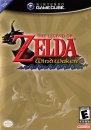
The Legend of Zelda: The Wind Waker

After Nintendo showed off a gritty, realistic Zelda demo at Space World 2000, fans of the series were pumped. Imagine their surprise when Nintendo revealed at Space World 2001 that the next Zelda would be in a cell-shaded, cartoony style. The internet exploded. Then they revealed that the game would focus on sailing the Great Sea and exploring individual islands rather than one, huge field like Ocarina of Time. Fans were outraged. This is quite possibly the ballsiest move Nintendo has ever made with the Zelda series.
Metroid Prime

After 8 long years, Metroid returned with a bang on the GameCube. For the first time, the series was in 3D as well as a first-person perspective. Initially, fans were a bit polarized by the change but many came to accept it as one of the best in the series (if not, the best). Exploration was still key but was driven by a new scanning mechanic that asked players to survey their surroundings to the utmost degree.
Mario Kart: Double Dash!!
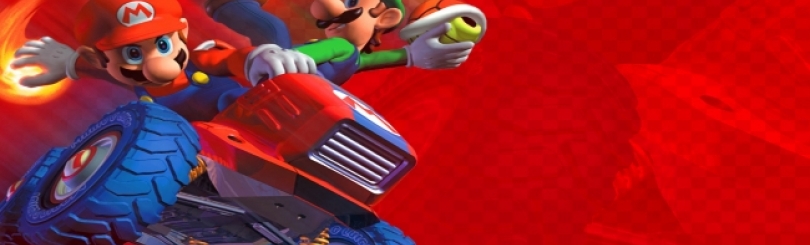
Double Dash was the first (and so far, only) game in the series to feature the gameplay mechanic of two riders per kart. One player would control the steering and the other would control the items. Like the previous games I mentioned, this turned a lot of people off but over time, grew a bit of a cult following. In fact, many people have been craving a return of this mode in future installments.
Star Fox
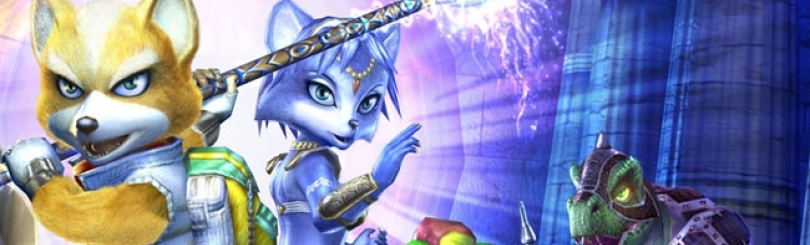
The Star Fox games on the GCN may just be the poster child of experimentation. First, there was Star Fox Adventures which felt more like a Zelda game with Star Fox chunks thrown in, as the game was mostly played on foot. Then, there was Star Fox Assault which returned to the Arwing-based gameplay but featured on-foot segments. Neither game sat well with the majority of the fanbase, but it's undeniable that they were experimental titles considering Star Fox 64: GameCube Edition could've easily been made.
Kirby Air Ride

The only Kirby game on the GCN, Kirby Air Ride was essentially a kart racing game. However, no input was required to move your vehicle forward so all effort was spent steering and sucking up enemies. Critically, it was a mixed bag but commercially it did very well and fans have been clamoring for a sequel for quite some time.
________________________________________________________________________________________________________________________
Of course, this is even with ignoring experimental new IPs like Eternal Darkness, Pikmin and Battalion Wars, which should be factored in as well. All things considered, was the GameCube the era of experimentation for Nintendo when it came to software?