





J Trust Co. (8508), the Japanese financial services firm 5 percent owned by Goldman Sachs Group Inc., aims to use cash raised through a record rights offering to fund takeover bids, including bankrupt game maker Index (TPX) Corp.
J Trust made a preliminary offer for the software developer, which specializes in mobile gaming and applications, as part of a client-boosting strategy, Chief Executive Officer Nobuyoshi Fujisawa, 43, said in an interview. Tokyo-based J Trust can spend as much as 130 billion yen ($1.3 billion) in cash on buyouts without seeking external financing, he said.

Nobuyoshi Fujisawa, president and chief executive officer of J Trust Co. Photographer: Kiyoshi Ota/Bloomberg

Nobuyoshi Fujisawa, president and chief executive officer of J Trust Co. Photographer: Kiyoshi Ota/Bloomberg
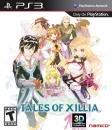
Index, which makes software for smartphones and Nintendo Co.’s 3-D handheld players, has drawn interest from about 20 potential bidders including Sega Sammy Holdings Inc. (6460) and aims to reach a sales agreement by the end of the month, two people familiar with the matter said last week. J Trust last month raised 97.7 billion yen in Japan’s biggest-ever rights offer.
“It’s a good idea to buy companies that do communication and application businesses for smartphones and tap their client bases to market our financial services,” Fujisawa said on Aug. 5, citing the successes of online retailer Rakuten Inc. (4755) and Yahoo Japan Corp. They “started as providers of Internet services and grew bigger by attracting existing customers into their financial businesses.”
Offers for Index in the first-round of bidding reached as much as 20 billion yen, one of the people said.
Shares Decline
J Trust shares today closed 3.7 percent lower at 2,075 yen on the Tokyo Stock Exchange after slipping as much as 7.6 percent. The benchmark Topix Index gained 0.1 percent and has risen 33 percent this year.
Japan’s stock market rally fueled by Prime Minister Shinzo Abe’s campaign to end deflation and stimulate growth helped J Trust raise almost twice as much as originally planned in its rights offering, according to Fujisawa.
The firm’s share price has jumped 41 percent so far this year, even after a 51 percent slide following the offering announcement. The company on May 14 said it planned to issue 63.1 million shares at 1,800 yen apiece, giving shareholders one new share for each share owned.
With the unexpected windfall, Fujisawa is now interested in the acquisition of Southeast Asian banks and domestic credit card companies, he said.
J Trust, whose predecessor was established in 1977, provides services ranging from real estate brokering to consumer lending and credit cards. The company posted net income of 13.3 billion yen in the year ended March 31, a 61 percent drop from a year earlier.
A winning bid for Index would add to J Trust’s list of assets acquired out of bankruptcy. The firm bought failed consumer lenders Lopro Corp. in 2010 and Takefuji Corp. in 2012.
“Acquisition of companies that have filed for bankruptcy protection have contributed to our expansion in the past,” said Fujisawa. “We now need to find out if this potential takeover would open up possibilities for further expansion.”
To contact the reporters on this story: Monami Yui in Tokyo at myui1@bloomberg.net; Takako Taniguchi in Tokyo at ttaniguchi4@bloomberg.net
To contact the editor responsible for this story: Chitra Somayaji at csomayaji@bloomberg.net