

Some controversy arouse when Nintendo told EVO that they were not allowed stream Super Smash Bros Melee in the show this year. And while Nintendo quickly reversed their decision, Arstechica looked into the legal aspect of Nintendo shutting down any Smash Bros. tournament they want. Via Arstechnica
EVO co-organizer Joey “MrWizard” Cuellar revealed in an interview with OneMoreGameTV that Nintendo initially wanted to prevent Smash Bros. from being played at the tournament altogether.
“They were not only trying to shut down the stream, they were trying to shut down… the Smashportion of the event,” Cuellar said. “They didn’t present us with any options to keep it open, they were just like, ‘Hey, we want to shut you down.’”
While Nintendo eventually backed off its disapproval (unlike a similar situation with an MLG tournament back in 2010), this all got us thinking about just how much right, legally, Nintendo has to stop people from simply playing its games in a tournament setting. With most games and sports, this isn’t even an issue worth considering. Nobody owns the copyright to football, for instance, and there’s no legal entity that can stop you from holding the world’s largest charades tournament and charging for admission.
Even board games, which have corporate owners and legally protectable components, can’t be restricted in this way. While board game makers can copyright things like the board design and actual printed rules, they can’t copyright the “heart” of the game; that is, its overall design and general method of play.
Furthermore, in a 1996 case, the 9th Circuit Court of Appeals held that “playing of a [board] game is not a ‘performance’ within the meaning of the Copyright Act.” That means there’s nothing Scrabble owner Hasbro could do to stop someone from playing the game in the park in front of a bunch of spectators, for instance (though other courts might come to different conclusions, and anyone advertising a tournament may have to take care to avoid trademark issues).
Video games are treated differently, though, primarily because they exist on a screen rather than a board. “A video game under copyright law is an audiovisual work, which gives a public performance right of the copyright holder,” Dallas attorney and Law of the Game blog author Mark Methenitis explained in an interview with Ars. “Under the public performance right, the copyright holder is allowed to say when, where, or whether something is publicly performed, meaning displayed in front of a group of people larger than, say, at your house.”
In other words, if you want to put on a Street Fighter tournament and charge people to watch, Capcom can make make you get a license for the “public performance” of the game. In fact, that isexactly what Capcom does with regards to for-profit tournaments. When organizations like the World Cyber Games and Major League Gaming went around this requirement four years ago, Capcom exerted its rights and banned both tournaments from using Capcom games, as e-sports journalist Rod Breslau recalled. “Only this year has the ban been lifted on WCG, while I don’t see any resolution for Capcom and MLG anytime soon,” he said.
Personally im just glad Nintendo changed there mind.
Heres the rest of the article:http://arstechnica.com/gaming/2013/07/why-nintendo-can-legally-shut-down-any-smash-bros-tournament-it-wants/
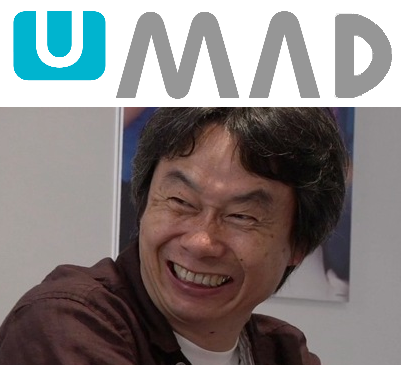
'Video games are bad for you? That's what they said about rock-n-roll.'
-Shigeru Miyamoto