









Mandalore76 said:
I think the waters of where to historically place the ColecoVision and the Atari 5200 became muddied from both consoles lifecycles effectively being cut short by the North American Video Game Crash of 1983. The Atari 5200 was discontinued in May 1984. The ColecoVision was discontinued in 1985. So, the Atari 5200 was off the market for 2 full years before the NES entered the North American market, and the ColecoVision by about a year as well. Neither the ColecoVision nor the Atari 5200 ever competed with the NES at any point while they were actively being produced. The Atari 7800 launched in May 1986, which was not far off (only 6 months) from the NES release in North America. Also, for what it's worth, at the time of their release, ColecoVision and the Atari 5200 were actually considered to be "Third Generation" systems. For reasons referenced above, I think perception of these systems place in history became altered.
|
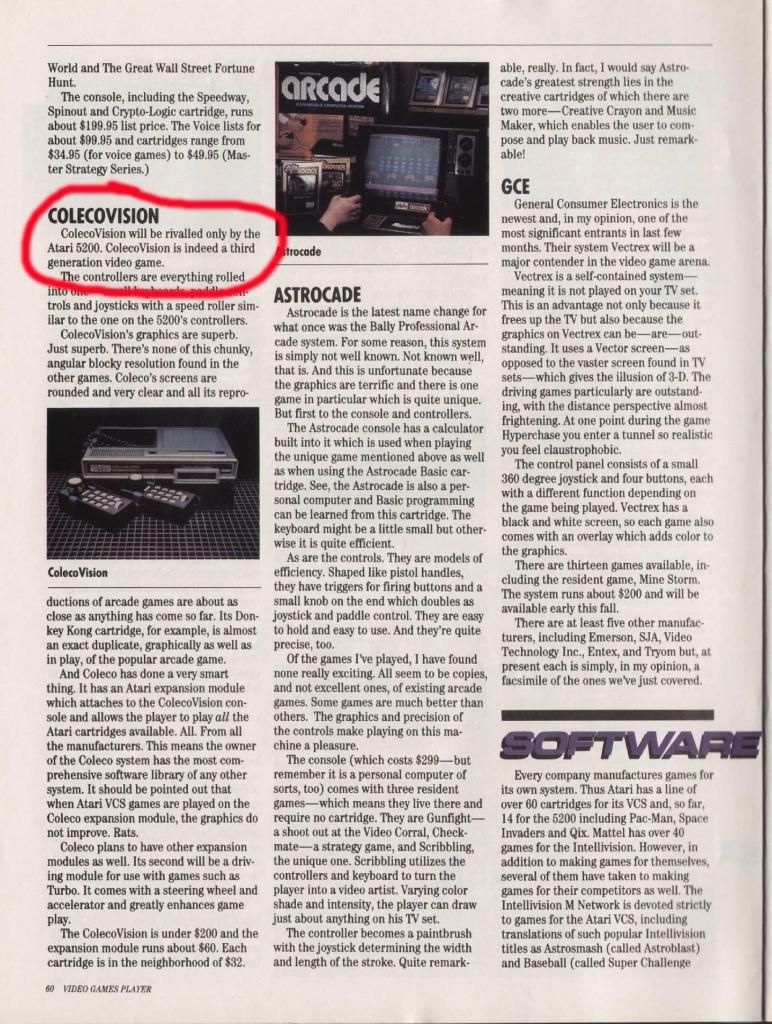


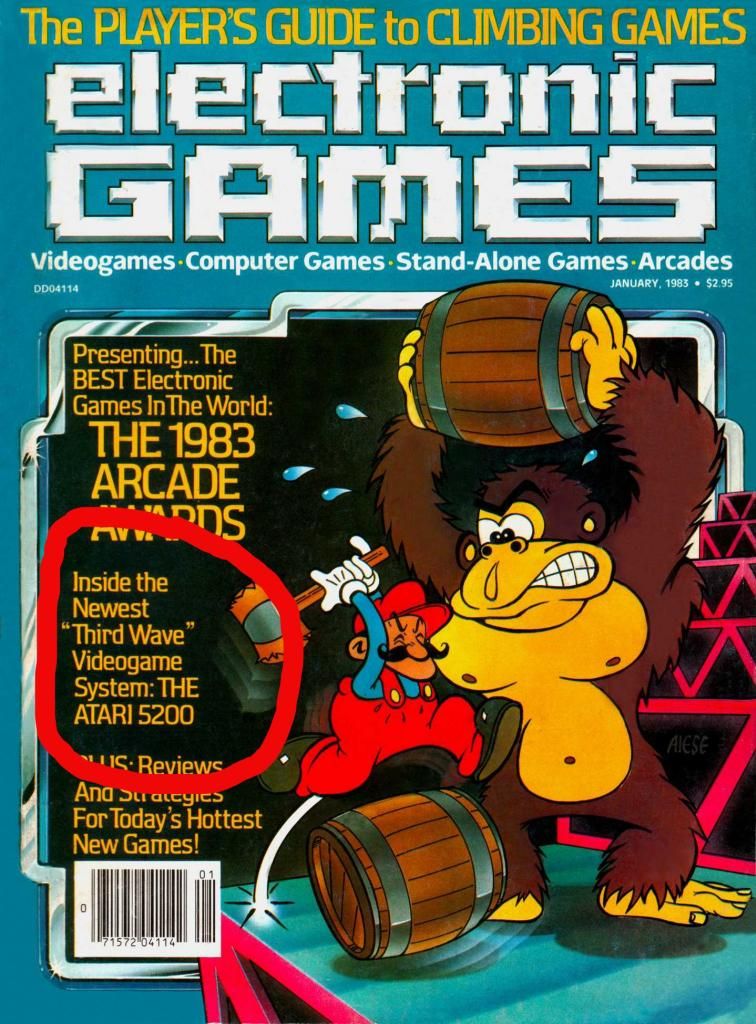
First off, thanks for the deep dive. Nice sources in that one.
Does it really matter if Atari has two second generation consoles or two third generation consoles? Doesn't your argument point out how silly it is to even have this conversation about this Switch at this time? The fact remains that there is plenty of precedent for console manufacturers to have two console in on generation. Hell, lump the Wii U in with Wii's generation if you want and call the Switch 7th's generation.
Either way, in a few years, people will come to an arbitrary consensus about what generation Switch ends up in, but I think trying to sort that out before we see how the Switch gets treated after the PS5/X2 are released is jumping the gun.


