

Shadow Warrior 2 has just been released and it appears to be the first PC game that takes advantage of both HDR and NVIDIA’s Multi-Res Shading Technique.
HDR is the new gaming trendy these days, as it was first widely showcased during Sony’s PlayStation Meeting back in September. HDR offers richer colours and in order to enjoy it, you need a TV that supports this tech. Microsoft and Sony have been adding HDR to a number of games, and Shadow Warrior 2 is the first game that supports it on the PC.
On the other hand, NVIDIA’s Multi-Res Shading Technique is a technique that can be used in order to render the game in higher resolutions. While the center of the screen is being rendered at your chosen resolution, the edges of the screen are rendered in a lower resolution. Basically, think of it as an upscaling method that will allow you to play games in higher resolutions.
NVIDIA’s tech was used in VR games, however this is the first time we’ve seen this technique being used to a normal game. The good news is that this technique actually works. NVIDIA offers two options; conservative and aggressive. The aggressive method offers greater performance gains, however – and in order to avoid noticeable aliasing – we strongly suggest using the conservative option.
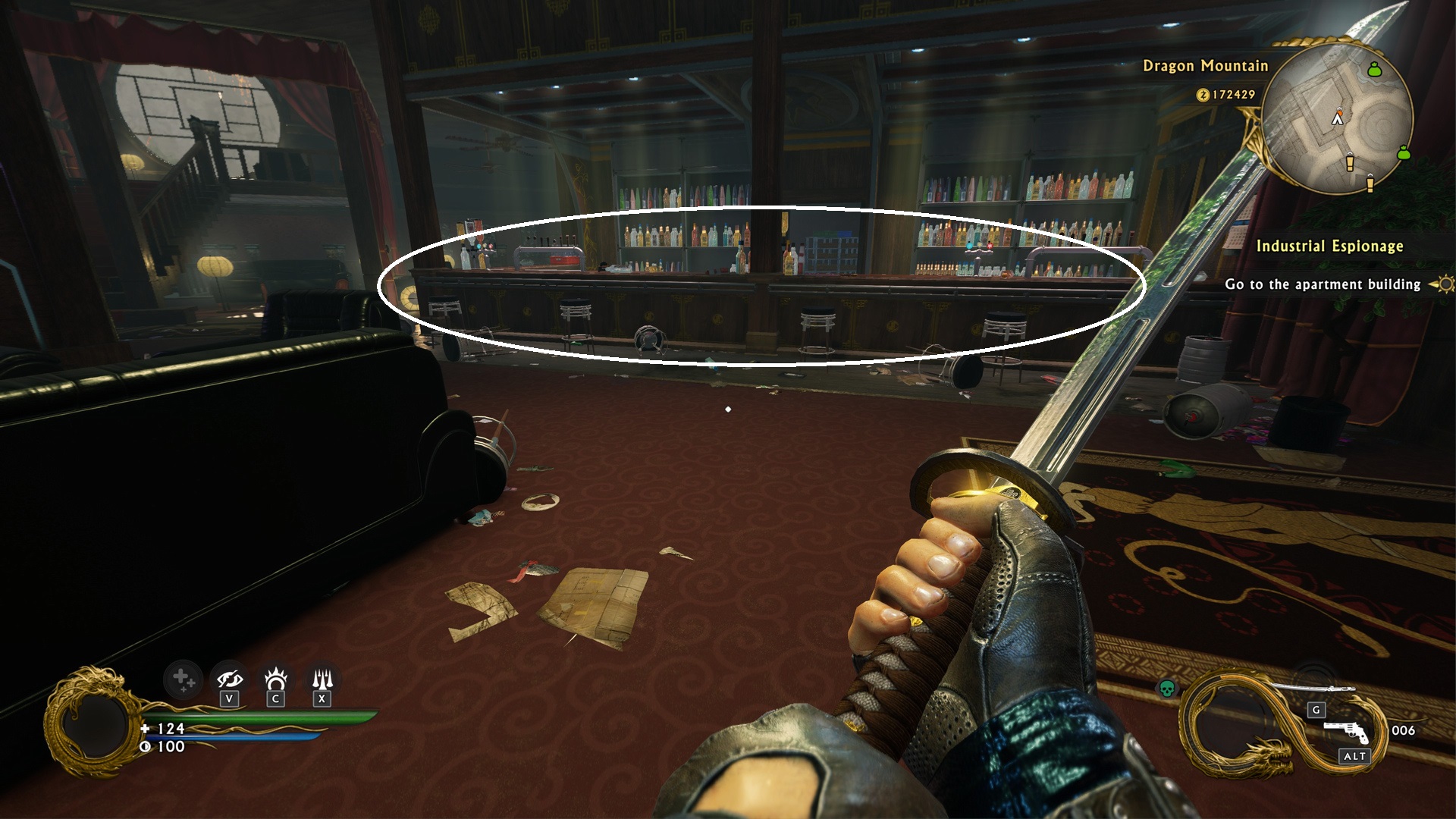
Below you can find some comparison screenshots between proper native 1080p (left) and 4K via the aggressive method of NVIDIA’s Multi-Res Shading Tech (right). As we can see, the MRS images look sharper (floor in the third image), however in some cases the aggressive method brings more aliasing (which is why we suggest using the conservative method).
Off
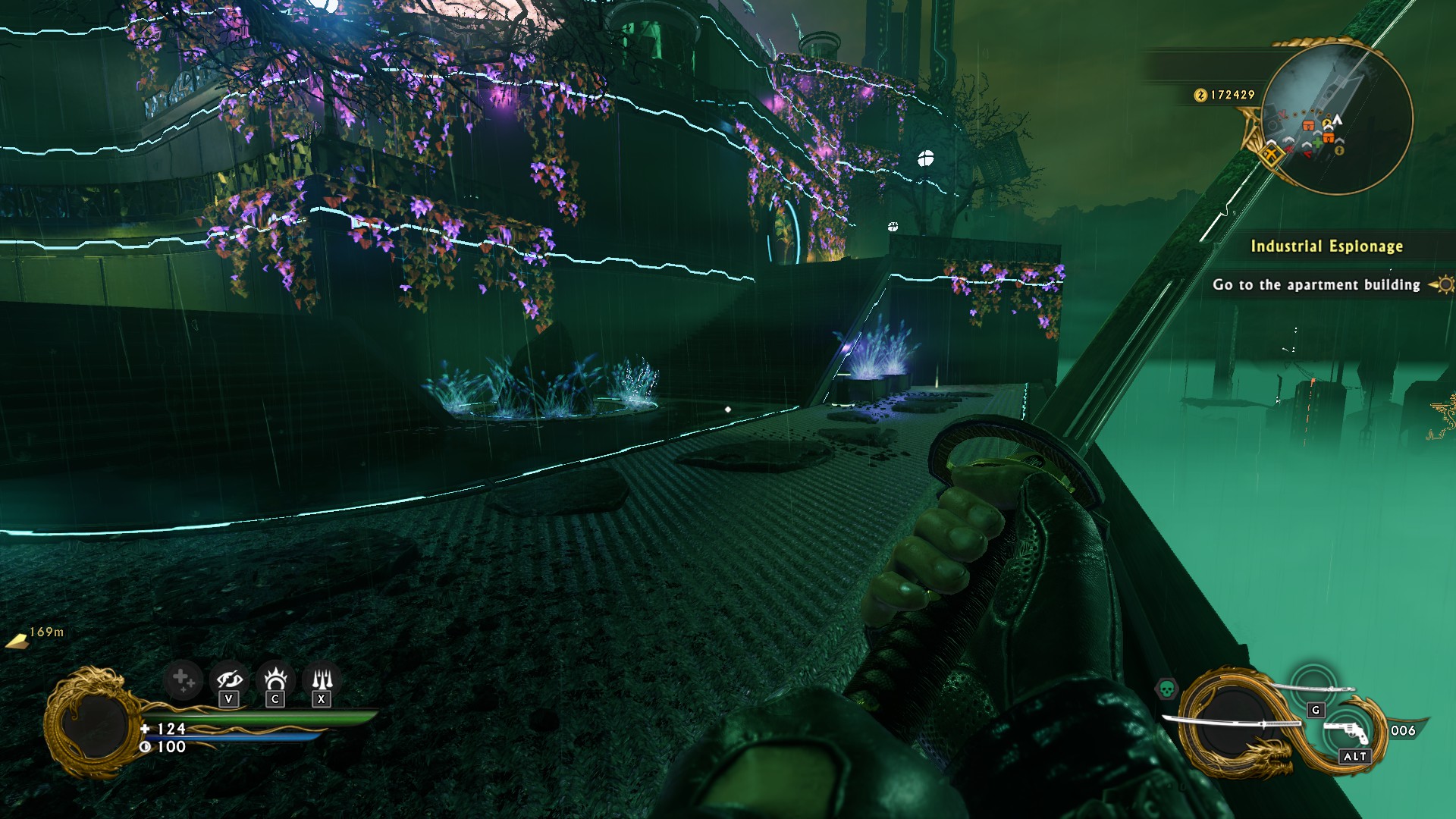
On
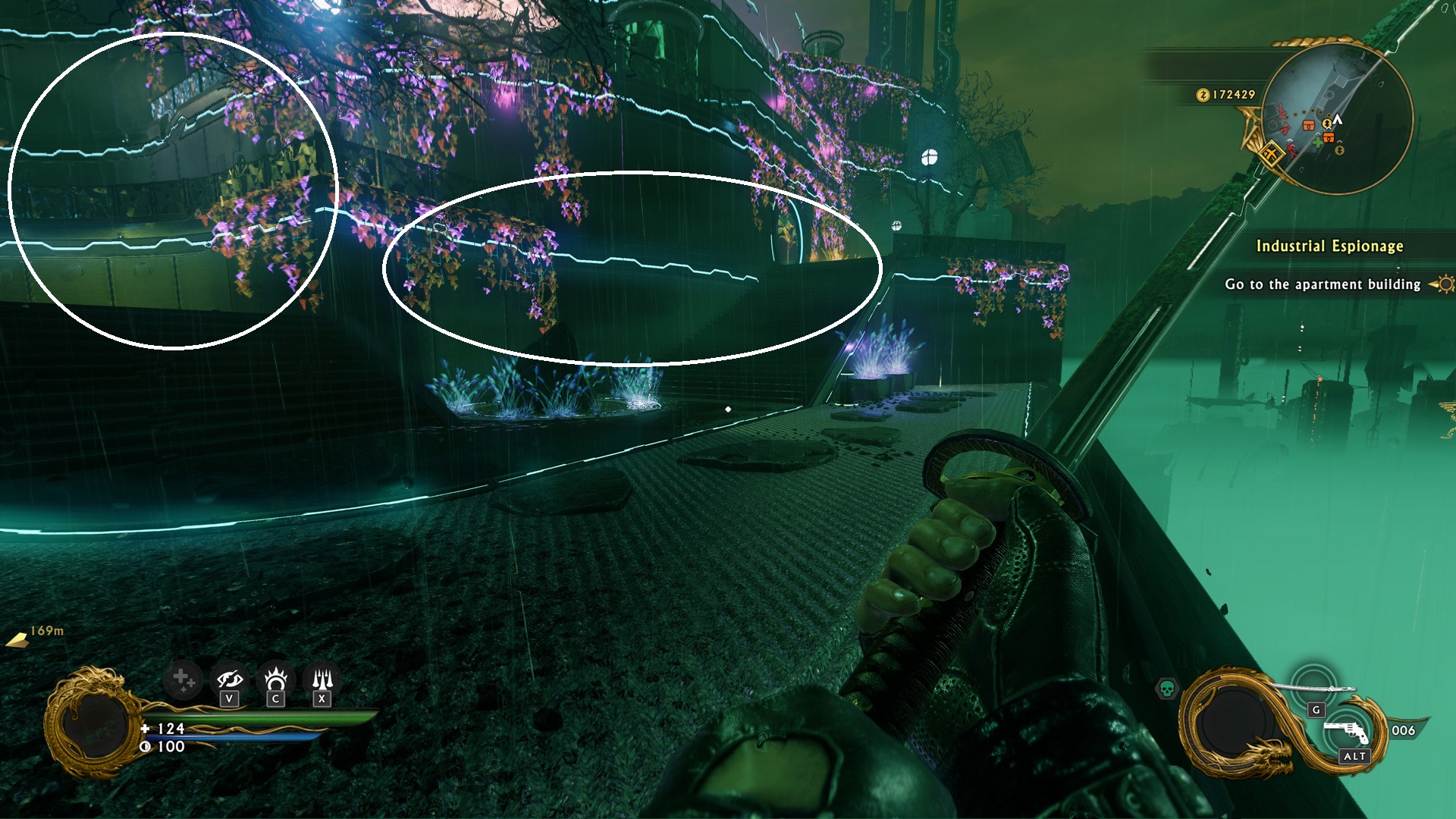
Off
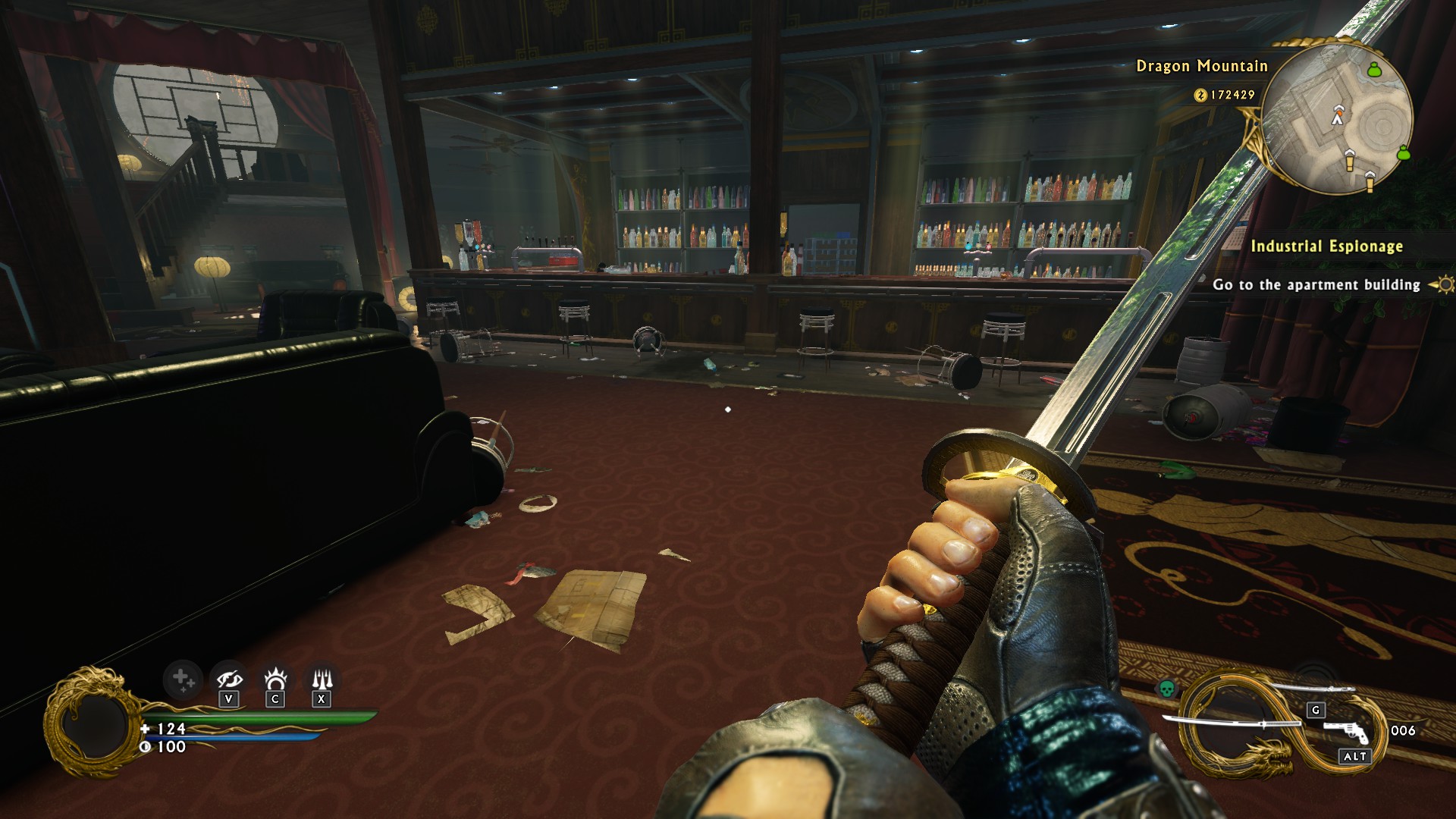
On
Off
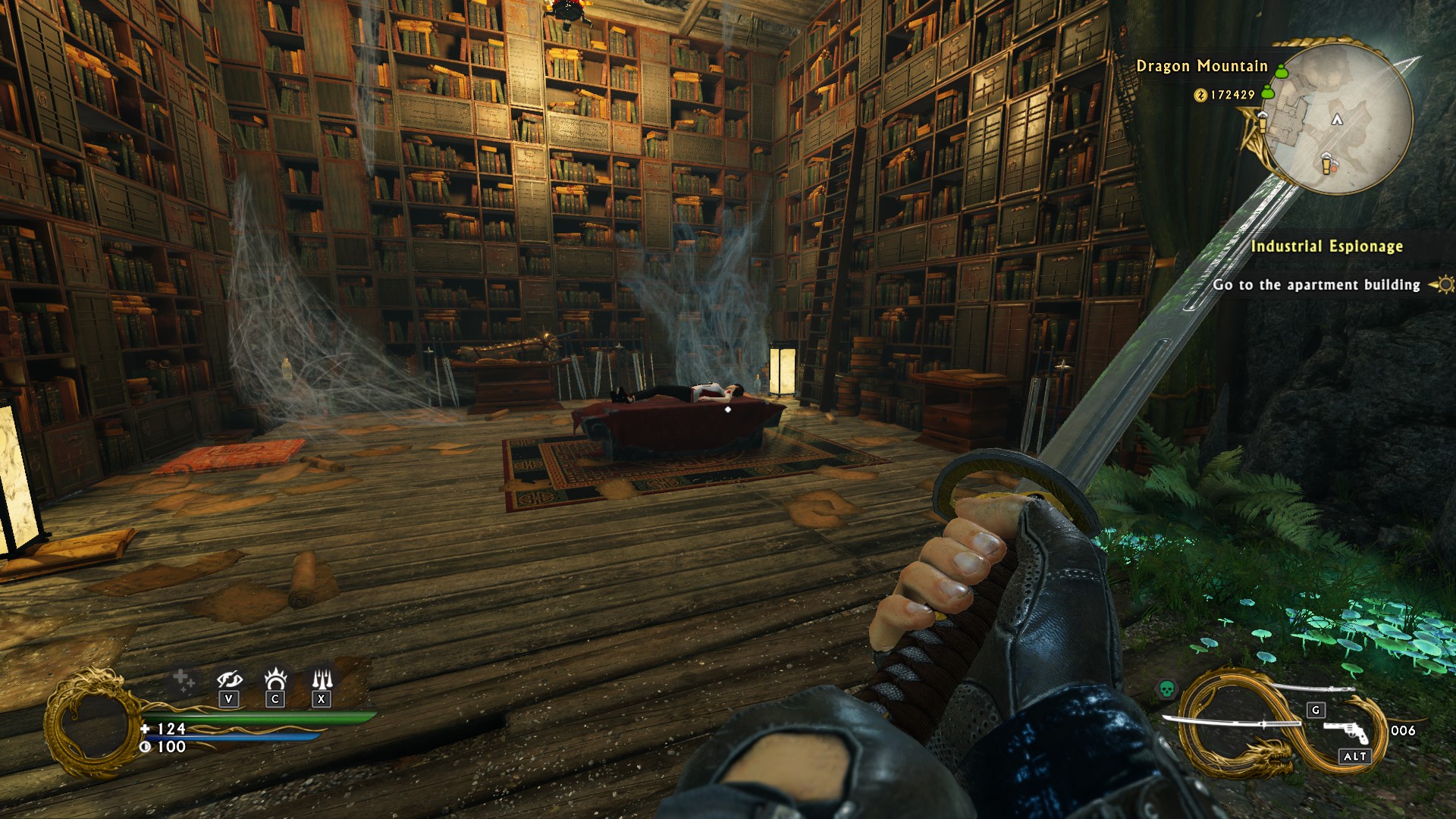
On
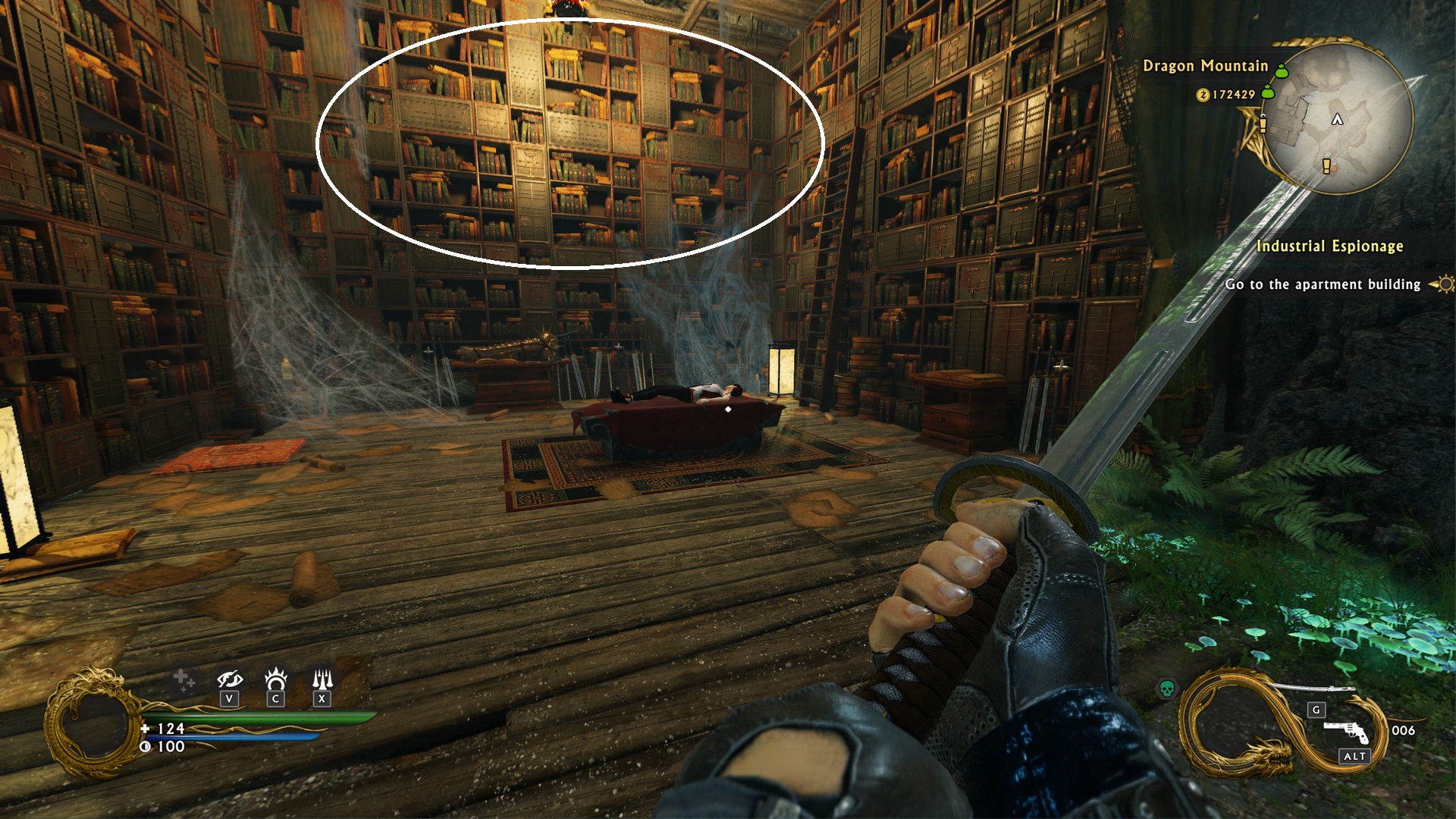
I'm more interested in the multi-res shading than I am HDR for the benefits of perf gain with little loss in IQ. I feel like I should have taken up the discount offer over on GMG before release, but I'm not big on pre-ordering my games and prefer waiting to see how they turn out first. I'll pick it up hopefully before years end.
Mankind, in its arrogance and self-delusion, must believe they are the mirrors to God in both their image and their power. If something shatters that mirror, then it must be totally destroyed.