









PDF said:
We can borrow from the fed at a much lower rate than 2%. Lenders have been allowing us to borrow at nearly 0% That being said the majority of the money we are borrowing are not being directly invested in entities that earn interest. it is being invested in us as a country with future taxes playing the role of the interest rate. With estimated GDP growth we will be more than capable of paying that debt with our future taxes without having to raise them. (We as a country will have more money, so we will pay more in taxes). I am not supporting a runaway deficit and beleive there is wasteful spending. I am also in support of going back to the Clinton era tax rates to better handle our deficit now. It is wrong of us to say, here you go future generations I hope our math was right. I am just pointing that rheotoric that we hear against borrowing is moslty false. Like comparing national public debt to individuals private debt is not a fair comparison because of the low interest rates. The real issue is not as much as focusing on our debt as it is ensuring that we continue to grow as a country to cover the debt. The study that was just debunked was a popular one because it showed that debt ratio around 90% would cause our economy to stagnate. This is now shown not to be true. So it furthers the point that borrowing to kickstart the economy and keep it a float and paying it down when things are good seems the best way to move forward. |
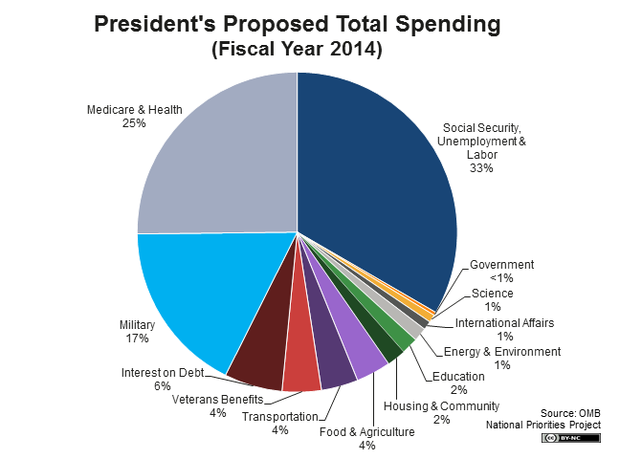
I think that's more or less a false narrative though when our GDP to debt ratio has constantly increased. Even before the financial crisis.
and again, i'd point out... Demand side economics says that tax cuts are equal to stimulus spending. So raising taxes would be just a negative an action as an equal amount of austerity.
Stimulus spending = The Bush tax cuts. (Per Keynes, well not the Bush tax cuts, but tax cuts.)
They should have the exact same effect. Someone who thinks the Bush tax cuts didn't work should also think stimulus spending won't work


